Decoding Brain Data

Influential research. Trusted analysis.

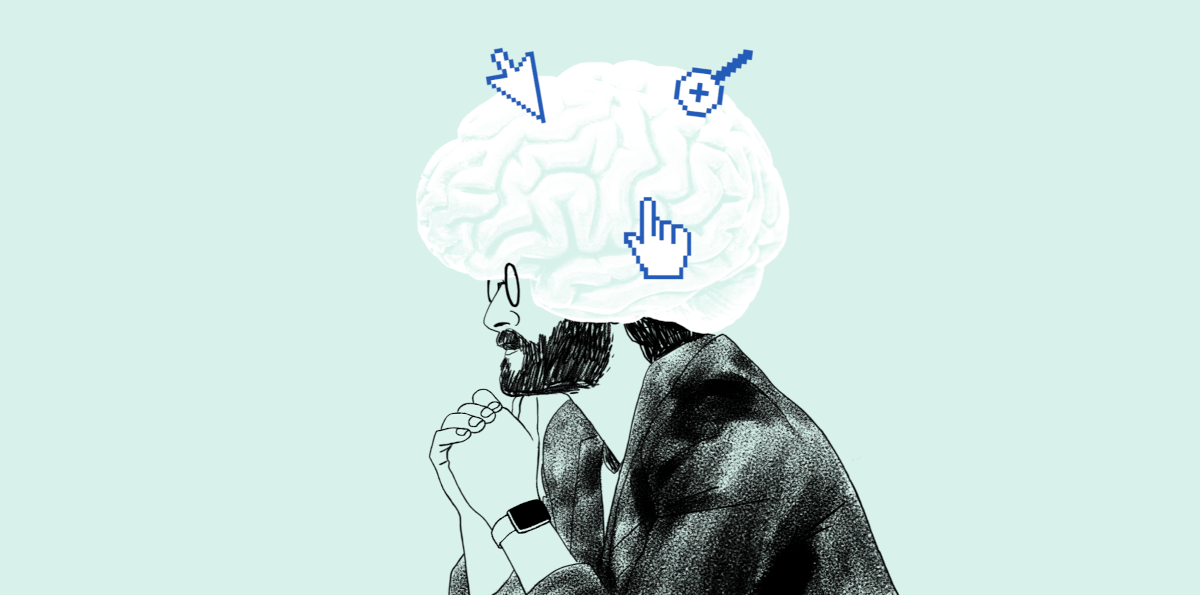
Neurotechnology is no longer speculative. From brain implants that ease Parkinson’s symptoms to consumer wearables that track and influence mental states, do existing laws and norms offer real protection? On the latest episode of Policy Prompt, Jared Genser, co-founder and general counsel to the Neurorights Foundation, joins hosts Vass Bednar and Paul Samson to examine the promises and perils of neurotech, and the growing debate over neuro-rights, freedom of thought and mental privacy.

Artificial intelligence (AI) is forcing a rethink of how trade rules work and what, exactly, countries are trading. In this paper, Susan Ariel Aaronson examines the recent assessment of AI and trade conducted by the World Trade Organization (WTO), arguing that while it raises the right questions, it stops short of addressing key governance gaps. Read the full paper to see what the WTO is missing and why it matters for the future of global trade.

Recommended

Canada faces rising defence-spending targets as the North Atlantic Treaty Organization calls for five percent of GDP by 2035, with a new emphasis on dual-use technologies. Michael P. A. Murphy, Tracey Forrest and Paul Samson explain how a whole-of-government approach can help Canada meet these goals. Watch the video here.

Canada is strengthening ties with European partners on AI and digital infrastructure, signing agreements with the European Union, Germany and the United Kingdom during the G7 tech ministers’ meeting last week. Speaking to the Canadian Press, CIGI President Paul Samson said the deals are notable for excluding the United States. Read the article here.

A perfect storm of escalating conflict and dwindling humanitarian aid is creating urgent global challenges. In a recent Newsweek feature, CIGI Senior Fellow Einar Tangen warns that the postwar international order is unravelling as arms races accelerate. Read the full story here.

Chinese President Xi Jinping’s ongoing purges of senior leadership reveal persistent factionalism and institutional weaknesses within the military, despite more than a decade of anti-corruption campaigns. Authors Adam P. MacDonald and Kurtis H. Simpson examine how these dynamics affect the operational coherence of the People’s Liberation Army and China’s strategic reliability. Read the full paper to understand what Xi’s consolidation efforts mean for regional security and scenario planning.

Military use of AI is outpacing the rules intended to govern it, raising the stakes for global security. Author Branka Marijan explores how “trust-by-design” frameworks and confidence-building measures between states could embed accountability, reduce risk and prevent escalation in AI-enabled military systems. Read the policy brief to discover how trust can be built before conflict emerges.

Amid growing US-China rivalry and a shifting global order, middle powers face a rare opportunity to shape trade, security and digital rules. In a new commentary, S. Yash Kalash and Kernaghan Webb argue that Canada, with its credibility, connectivity and multilateral experience, is well-positioned to lead a global middle-power alliance.

Authors Kamilla Bonnesen and Tracy Vaillancourt highlight how online harassment disproportionately targets women, particularly those in politics, journalism, science and activism, and outline systemic solutions. Read the full commentary to learn how we can reclaim digital spaces for women and girls.

Follow us
                         
© 2026 Centre for International Governance Innovation