Finding a Path to True Democracy

Influential research. Trusted analysis.

In this new episode of Policy Prompt, hosts Paul Samson and Vass Bednar return to the Pnyx hillside in ancient Athens to ask: What can the origins of democracy teach our fractured modern world? James Bacchus — a former member of the US Congress and a founding member of the World Trade Organization’s Appellate Body — argues that democracy and sustainable development are not separate goals and advocates for a radical shift toward participatory democracy and sortition.

In this policy brief, Andrew Heffernan argues that Africa is uniquely positioned to pioneer governance frameworks that tackle the extractive practices of global tech giants. Heffernan advocates for a unified regulatory system established through the African Union, focused on three pillars: data privacy, cybersecurity and corporate accountability. You can also watch the author discuss some of his key points and the path toward digital sovereignty in this video feature.

In this new paper, author Michael C. Horowitz explores the shifting landscape of military technology, where private companies are now at the cutting edge of artificial intelligence (AI) development. As geopolitical tensions threaten to stifle international cooperation, Horowitz warns that regulation must keep pace to prevent accidents or the misuse of autonomous systems that could lead to unintended escalation.

Recommended

At the India AI Impact Summit 2026, Duncan Cass-Beggs — executive director of the Global AI Risks Initiative at CIGI — sat down for two key interviews to discuss the urgent need for international cooperation. Speaking with Asian News International, he emphasized New Delhi’s unique position to lead a global consensus on safeguards for artificial general intelligence. In a second conversation with Firstpost, Cass-Beggs explored India’s role as a bridge between the Global South and tech giants.

In an opinion article for NDTV, CIGI Senior Fellow S. Yash Kalash writes that India’s 2026 BRICS presidency represents a unique “stewardship” moment for digital statecraft.

Lastly, in a new opinion piece for The Hill Times (subscription required), CIGI Senior Fellow Danielle Goldfarb argues that while Canada’s past attempts to diversify trade have largely succumbed to the “gravity” of the US market, the digital revolution offers a new path forward.

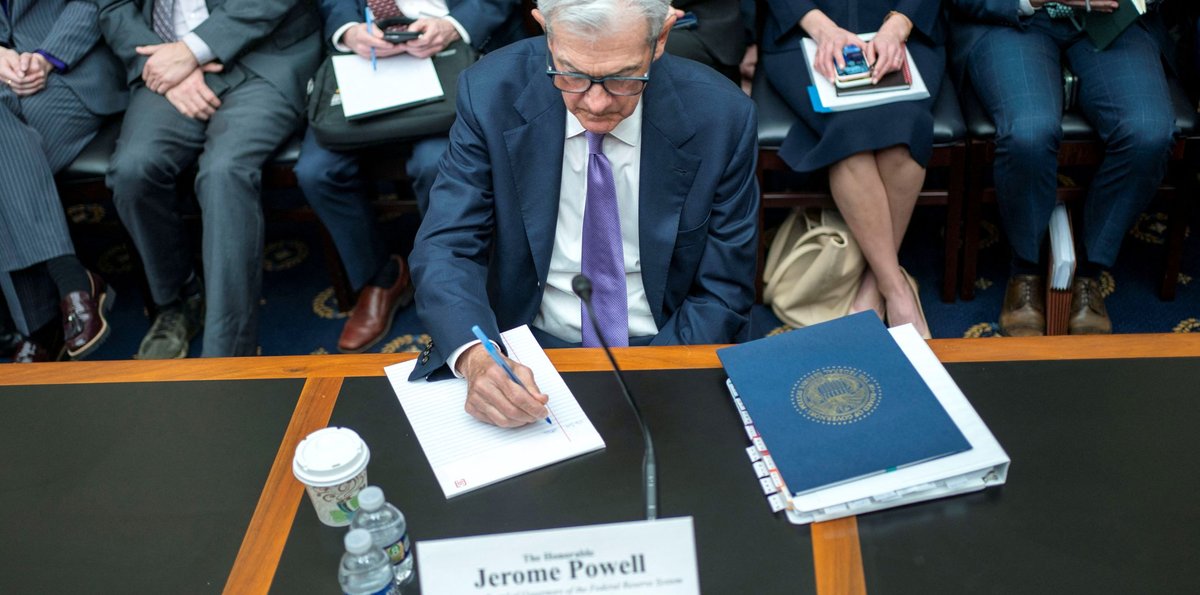
James A. Haley warns that the hard-won independence of the US Federal Reserve is facing its gravest threat in decades. With Kevin Warsh nominated to succeed Powell in May, Haley questions whether the new leadership will uphold the Fed’s core mission or acquiesce to populist demands for “easy money” and deregulation.

In this commentary, first published by Canada's National Observer, Julian Lam and Stewart Beck propose a “third path” for middle powers seeking strategic autonomy amid an AI landscape dominated by the United States and China. By converging Canada’s advanced AI research with India’s massive deployment scale, the authors argue, both nations can build sovereign climate intelligence systems to predict floods, wildfires and monsoon variability.

Follow us
                         
© 2026 Centre for International Governance Innovation