Global Risks and G20 Opportunity

Influential research. Trusted analysis.

What will an “America First” president and his administration do with the G20 presidency? In this commentary, authors Colin Bradford and Paul Samson examine how the United States can use its 2026 presidency to bridge divides, manage global financial systemic risks and integrate the Global South. Read the full article to understand why a narrower agenda is required to build trust and tackle systemic global challenges.

In this new paper, authors David Durand and Kyle Briggs examine how attacks against intellectual property (IP) can exploit fragmented policy regimes, putting economic security and sovereignty at risk. As such, Canada’s economic and national security depends on how the nation manages its intellectual assets and IP. Durand and Briggs suggest recommendations to address these concerns.

The Digital Policy Hub at CIGI is a collaborative space for emerging scholars and innovative thinkers from the social, natural and applied sciences. Here are the most recent working papers published by Hub fellows.

Rafael Morales-Guzman: “Banking Without Banks: Policy Implications of Banking as a Service in Canada”

Maya Povhe: “Who Benefits Most from Data? Levelling Accessibility in Vital Markets”

Follow the links on the Hub webpage to learn more about the Hub scholars and their work.

Recommended

As the G20 comes to a close in South Africa, questions are growing about the United States’ absence and the opening it creates. In a recent interview for TRT World Now, Paul Samson weighed in on what Donald Trump’s absence might mean for the G20. Watch the full clip here.

On the same topic, in a recent live segment on CityNews, Paul Samson reflected on how this moment could bolster Canada’s economic position. Watch the full interview here.

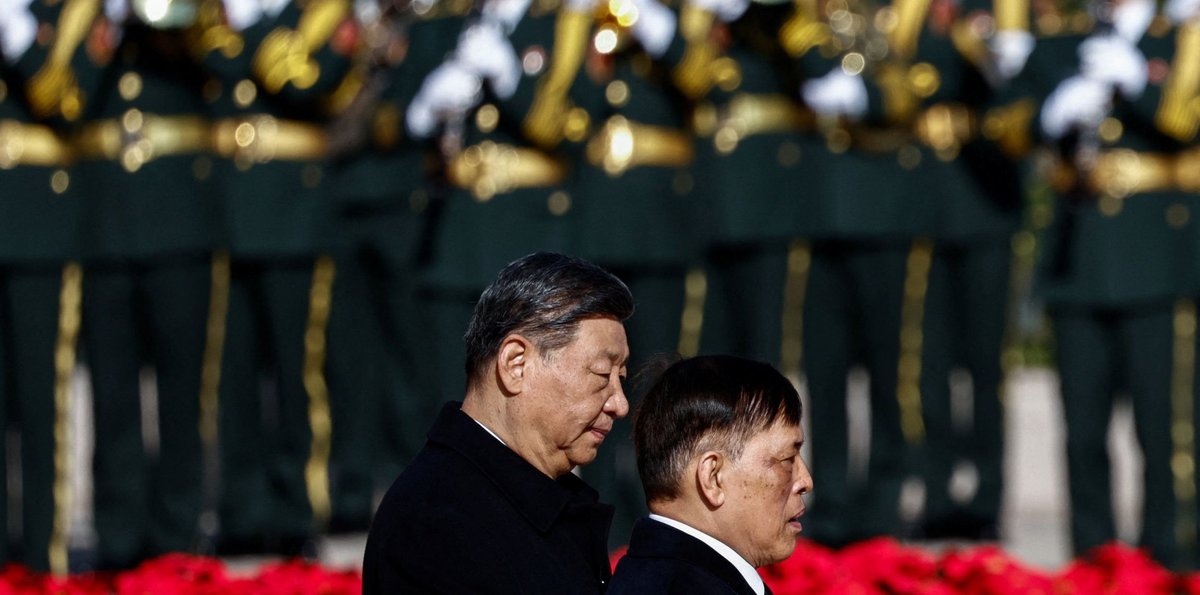
This new commentary by Raphael Racicot and Kurtis H. Simpson tracks a major shift in global security dialogue: the Xiangshan Forum is becoming a strategic platform for China to project soft power and rally the Global South. With record attendance and growing legitimacy, the forum signals Beijing’s intent to reshape the rules of international order. Read the full article to see why Western policy makers can no longer afford to ignore it.

In her latest commentary, Branka Marijan warns that nuclear weapons are not relics of the past. In fact, they’ve become more dangerous, less visible and increasingly entangled with emerging technologies. In this article, first published by Digital Journal, she argues that as arsenals modernize and arms control frameworks erode, the risk of miscalculation grows. Read the full analysis to understand why nuclear complacency is no longer an option.

Follow us
                         
© 2026 Centre for International Governance Innovation