Sovereignty: Terms and Conditions Apply

Influential research. Trusted analysis.

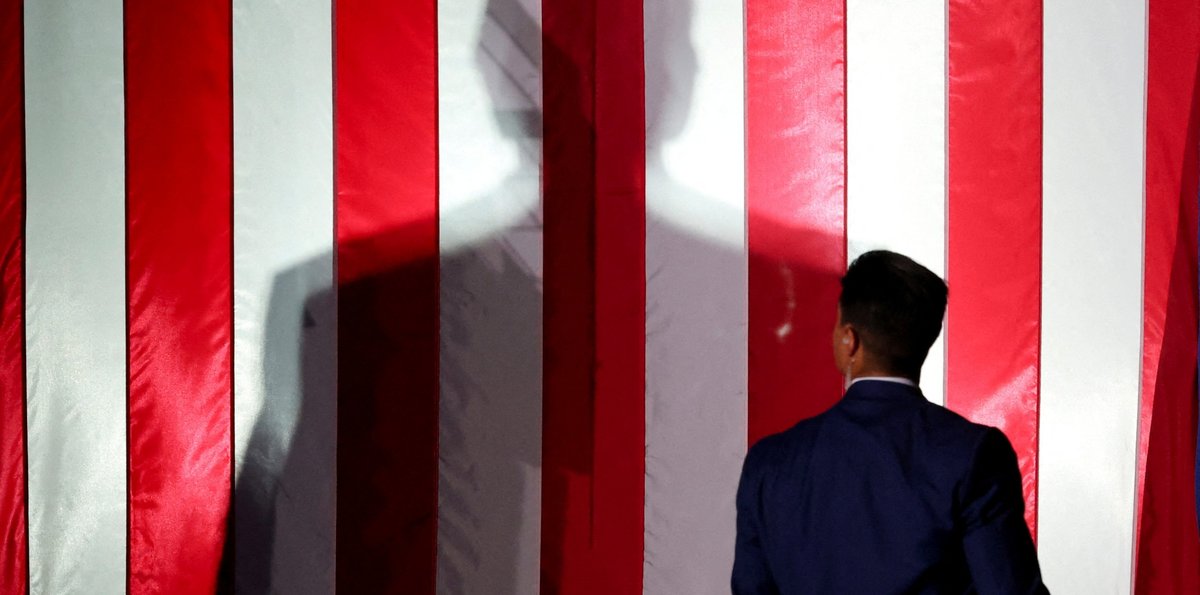
In this new commentary piece, author Rafal Rohozinski highlights how the Trump administration’s National Security Strategy turns technology into a tool of power, with the Venezuela raid serving as a stark reminder. By controlling cloud, artificial intelligence and digital networks, the United States is reshaping sovereignty, showing allies such as Canada that dependence on American infrastructure carries real political consequences.

CIGI Analysis on Venezuela

Einar Tangen discussed with Asia Times how the US raid in Venezuela is prompting China to reassess its billions in overseas investments, underscoring the risks of economic dependence on politically unstable regimes. Read the article here.

Aaron Shull explained to The Globe and Mail how the capture of Nicolás Maduro demonstrates the increasing use of cyberattacks and space-based assets in modern military operations, showing how technology is reshaping national security and defence strategies. Read the article here.

Arif Lalani spoke to Global News about how the removal of Maduro underscores the unpredictability of the Trump administration and the risks it poses to allies, including Canada, amid shifting power dynamics in Latin America. Read the article here.

Wesley Wark was interviewed by Bloomberg to explain how Trump’s raid in Venezuela and his Greenland threats are forcing Canada to rethink its national security and economic strategies, highlighting the growing risk of US coercion in the Western Hemisphere. Read the article here.

Hector Torres talked to Le Monde about the EU-Mercosur trade deal and its geopolitical significance for South America as countries seek alternatives to US and Chinese economic pressures. Read the article in French here.

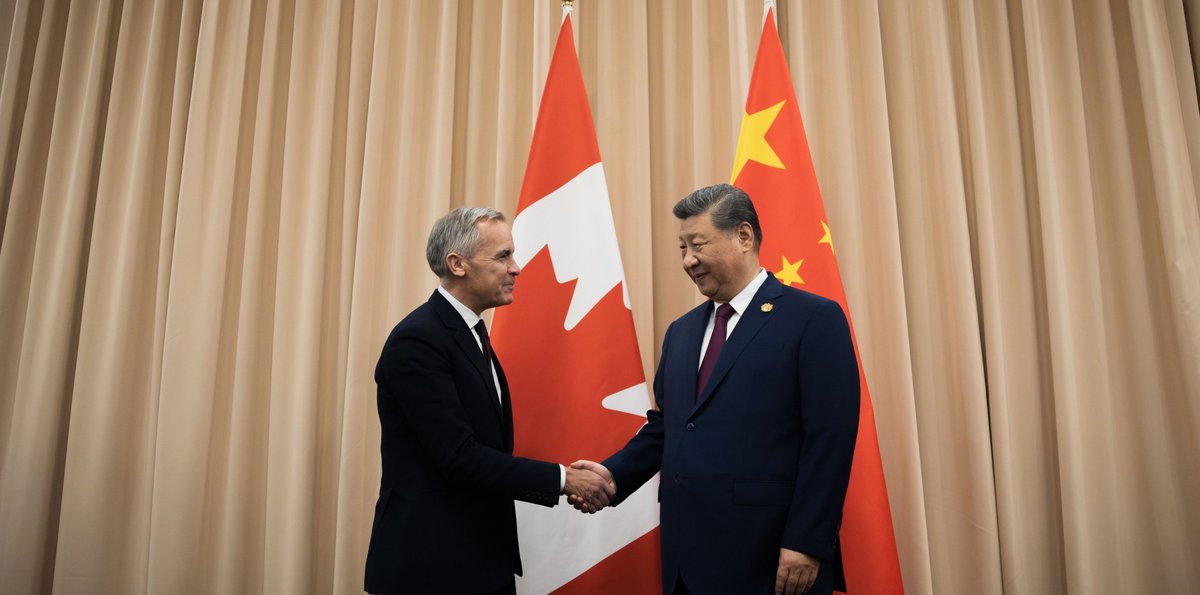
In this new article, author Alex He considers Prime Minister Mark Carney’s visit to Beijing this week — the first by a Canadian leader in nearly a decade — as a pivot toward “economic realism.” By resetting ties through a lens of economic complementarity rather than ideological rigidity, he argues that Canada can navigate the risks of overdependence on the United States while maintaining firm guardrails on national security and data governance.

In this article, first published by The Hill Times, author Daniel Araya explores Canada’s shift toward a multipolar world through the "Carney Pivot." As American trade dominance wanes, Araya argues that Canada must leverage its energy and technology to build multilateral partnerships across Asia and the Global South. By treating these emerging markets as a vital ecosystem, Canada can move past infrastructure dependence toward a self-determined role in a changing geopolitical landscape.

Follow us
                         
© 2026 Centre for International Governance Innovation