The Dark Side of the Digital Economy

Influential research. Trusted analysis.

The global scamming ecosystem has evolved into a sophisticated industry of guarded compounds and mass automation. On the latest episode of Policy Prompt, experts Mark Bo and Ivan Franceschini join host Paul Samson to expose the grim reality of cyber-fraud syndicates operating across Southeast Asia. The experts explain that as the digital economy’s “dark side” deepens, only a coordinated, global governance approach can dismantle these deep-rooted criminal networks.

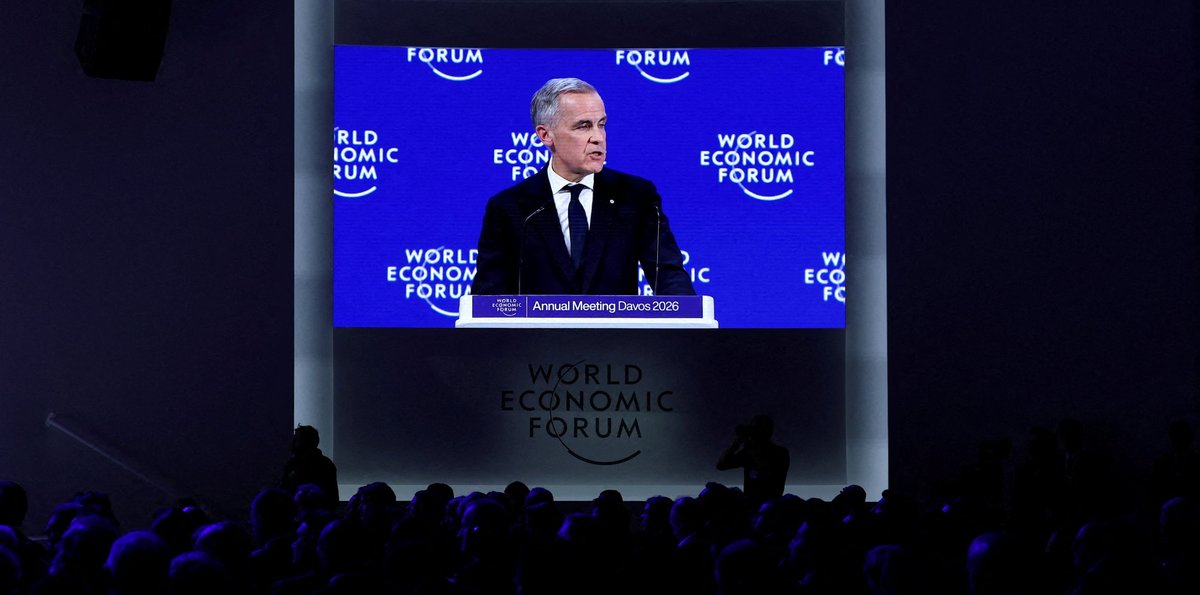
In this commentary, author Paul Samson analyzes Prime Minister Mark Carney’s recent Davos speech against the backdrop of a “ruptured” international order. With traditional norms giving way to raw power politics, Samson explores Carney’s proposed “third path” for middle powers. By building sovereign capabilities in data, energy and security infrastructure, Canada and its allies aim to shield themselves from the coercive economic strategies of superpowers.

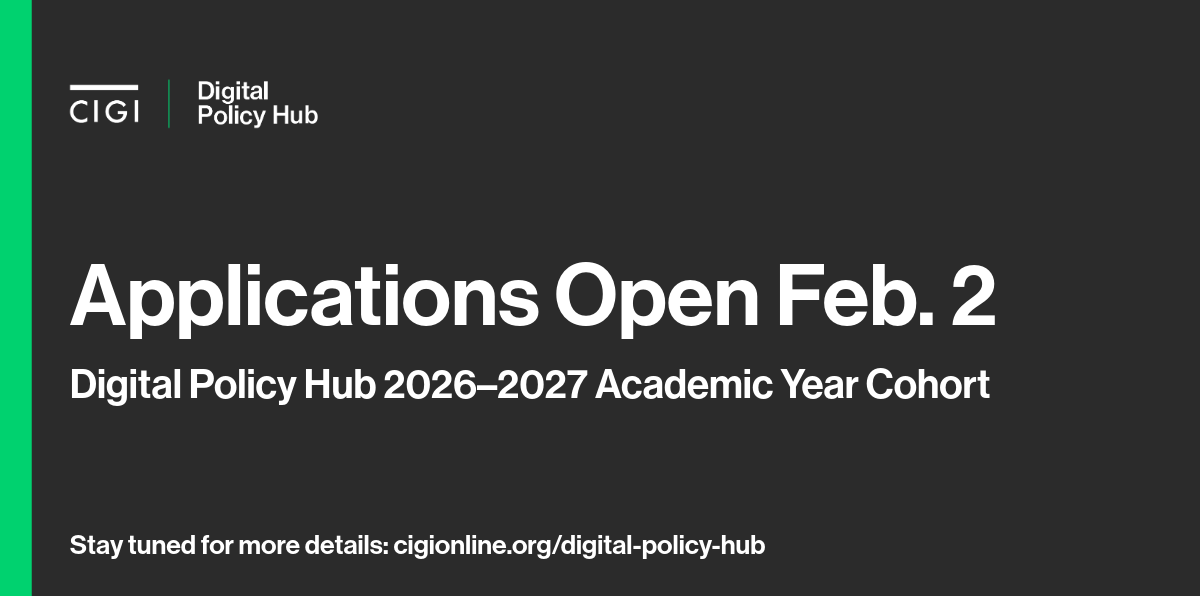
The Digital Policy Hub at CIGI is a collaborative space for emerging scholars and innovative thinkers from the social, natural and applied sciences. Here are the most recent working papers published by Hub fellows.

Laine McCrory: “Digital Commons: Feminist Futures and Participatory Urban Governance”

Melissa MacKay: “Advancing and Governing Generative AI in Public Health: Practitioner Insights”

Follow the links on the Hub webpage to learn more about the Hub scholars and their work.

Recommended

CIGI President Paul Samson recently joined BNN Bloomberg, CityNews and CKNW Vancouver (at 20:58) to analyze the global fallout from Prime Minister Carney’s Davos speech. He emphasized that Canada and other middle powers must “step up” to protect global trade.

Alex He spoke with the China Global Television Network to discuss the “new strategic partnership” between China and Canada following Mark Carney’s visit to China, specifically focusing on the future of the electric vehicle sector. Watch the video here.

Wesley Wark spoke to Bloomberg following reports that the Canadian military has modelled response scenarios for a hypothetical US invasion. Read the article here (subscription required).

In this policy brief, authors 'Damola Adediji and Jeremy de Beer argue that Canada must strategically re-evaluate its digital policies in the face of contradictory US trade stances. They emphasize that protecting Canada’s regulatory infrastructure around digital competition is a vital necessity to reduce foreign dependencies and safeguard national sovereignty during high-stakes trade negotiations.

In this commentary, author Henry Gao argues that the US military intervention in Venezuela is less about international law and more about a high-stakes demonstration of power aimed at China. Gao contends that by capturing Maduro, Washington is signalling the end of “institutional pretense” and forcing its systemic rival to acknowledge US resolve.

Author Daniel Munro argues that as the artificial intelligence (AI) bubble shows signs of an imminent burst, governments must look beyond mere productivity to decide which parts of the sector are worth saving. While AI that assists in health care or preserves Indigenous languages offers clear social value, the proliferation of “AI slop” and deep-fakes suggests that some applications may be “too big to succeed.”

Follow us
                         
© 2026 Centre for International Governance Innovation