What is AI’s role in scientific research?

Influential research. Trusted analysis.

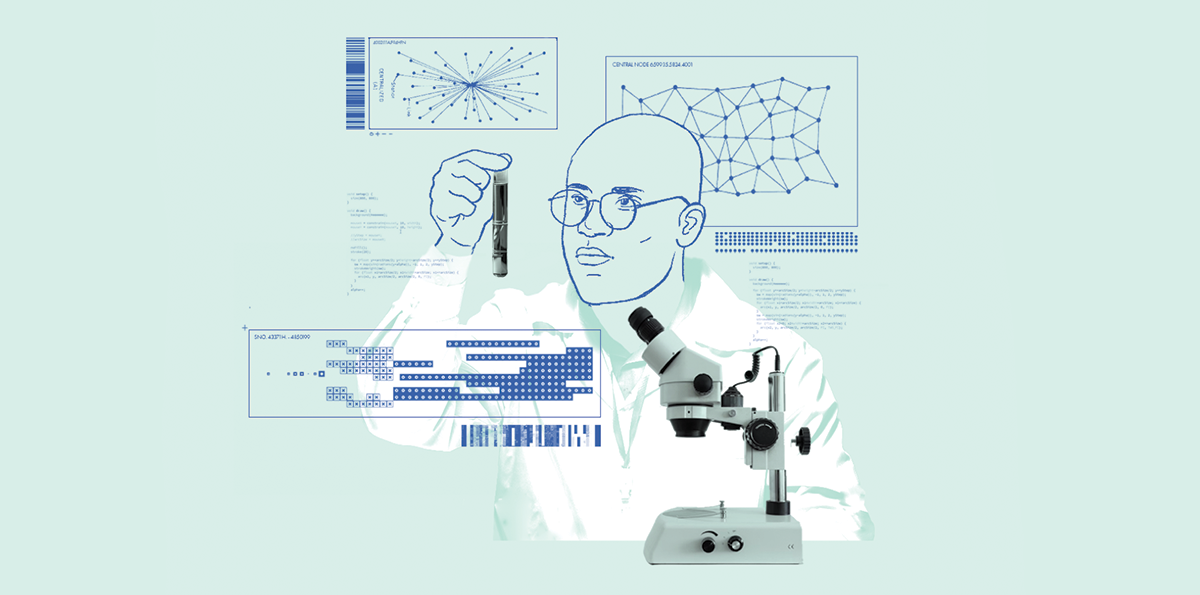
Artificial intelligence (AI) is reshaping how science happens, from predicting protein structures to parsing massive data sets. How far can this partnership go? Join Rebecca Willett with hosts Vass Bednar and Paul Samson on a new episode of Policy Prompt for a look at how AI is accelerating discovery, transforming research practice and redefining science’s next big leap.

China’s rapid expansion of AI applications is unfolding alongside rising geopolitical tensions. In this new paper, author Alex He examines how state-driven strategies, security priorities and regulatory tightening shape China’s AI development — and why breakthroughs such as DeepSeek may be the exception rather than the rule. Read the paper to explore the full data, its analysis and relevant policy insights.

North America’s digital trade framework is rooted in decades-old principles of minimal government oversight and industry self-regulation. In this new paper, author Burcu Kilic traces the evolution from NAFTA to the USMCA’s digital chapter, highlighting tensions between trade rules, surveillance capitalism and contemporary social and economic priorities. Dive into the paper for detailed analysis, historical context and policy recommendations.

Equitable AI in health care faces major hurdles from rigid intellectual property frameworks and weak data sovereignty protections, often leaving marginalized communities behind. In this policy brief, authors Abbas Yazdinejad, Maral Niazi, James W. Hinton, Jude Kong, Jake Okechukwu Effoduh and Anna Shin propose a community-centred AI protocol that combines standards with flexible IP governance and robust community engagement.

Recommended

Saudi Crown Prince Mohammad bin Salman is making his first visit to the White House in seven years. In this context, Arif Z. Lalani spoke to Al Jazeera to highlight that Saudi priorities extend beyond traditional security, emphasizing technology transfer and investment as new key drivers. Watch the full clip here.

Recently, Canadian Security Intelligence Service Director Daniel Rogers delivered a historic public address highlighting the growing threats from violent extremism, Russia and Iran. Speaking to CTV News, Wesley Wark and Leah West noted the delicate balance Rogers must maintain between intelligence and diplomacy. Read the full article here.

Humanitarian “femtech” is stepping in where global health systems are failing, but these digital tools are far from a guaranteed solution. In this commentary, authors Marika Jeziorek and Natasha Tusikov examine how apps for menstrual health, contraception and abortion support are helping women, girls and LGBTQ+ communities in crisis while exposing gaps in privacy, governance and long-term sustainability. Read the full commentary for insights into risks, case studies and practical recommendations.

Canada’s AI future depends on more than policy and investment — it depends on people. Author Joel Blit argues that to thrive, Canada must embed AI into everyday life, making it a tool for farmers, teachers, entrepreneurs and communities nationwide. Blit emphasizes that success comes from treating AI as a transformative force that can shape the country’s identity, instead of just treating it as an industry. Read the full commentary for insights on how Canada can become an AI nation where technology and culture advance together.

Follow us
                         
© 2026 Centre for International Governance Innovation