This piece was first published by Canada's National Observer.
The Moon has long shaped life on Earth: governing tides, structuring time, and anchoring human understandings of the natural world. What is new is not the Moon’s power, but the extension of ours.
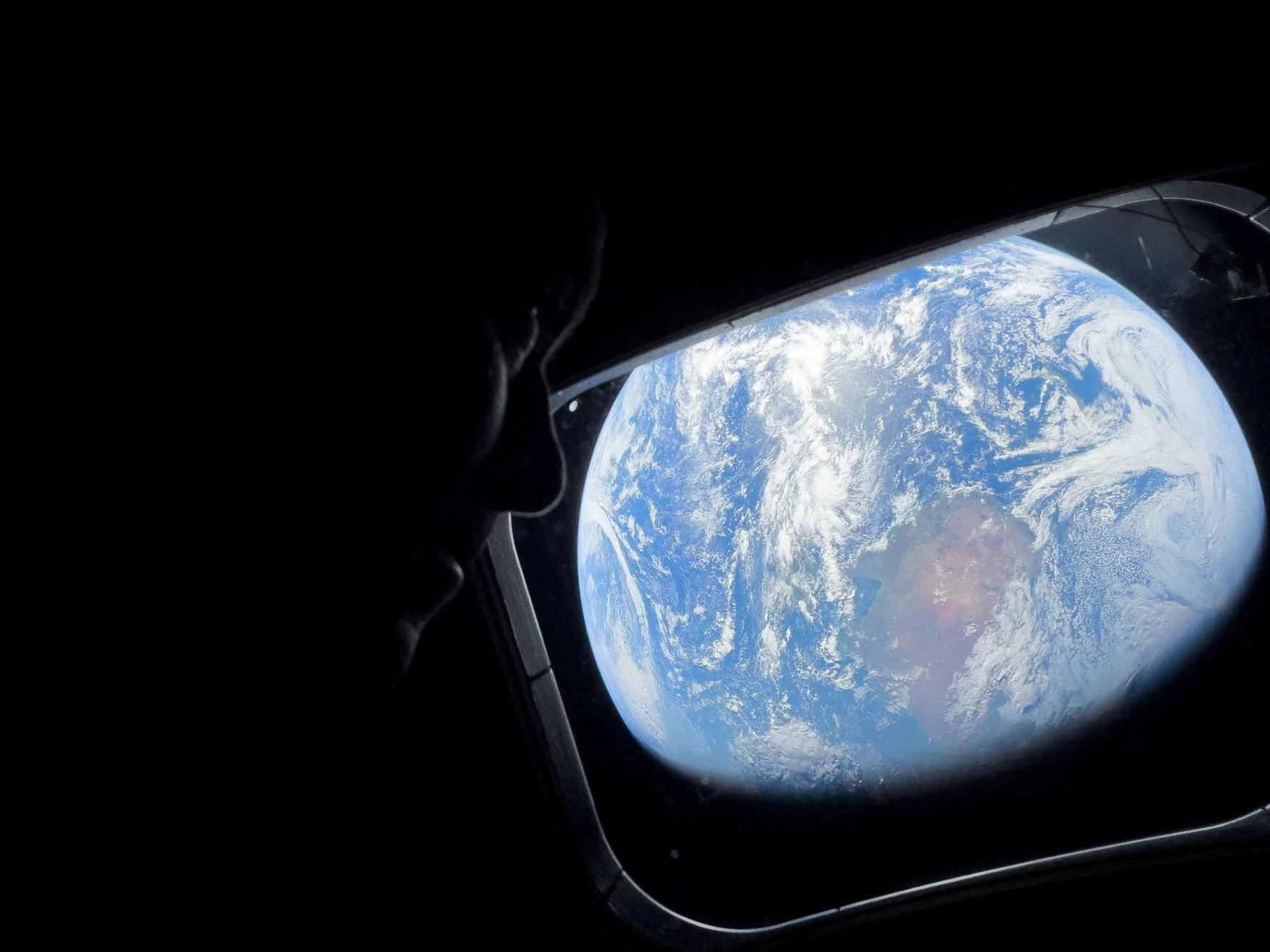
The Artemis II mission carrying astronauts around the far side of the Moon marks the first human journey beyond low Earth orbit in more than 50 years. For Canada, with Jeremy Hansen aboard, it is also a moment of participation in shaping what comes next.
As activity expands beyond Earth orbit, the Moon is becoming a place where systems of infrastructure, governance, and influence are taking shape in real time. This matters not because the Moon will directly transform life on Earth, but because it is becoming the next extension of the systems that already underpin life on Earth—and the power they enable.
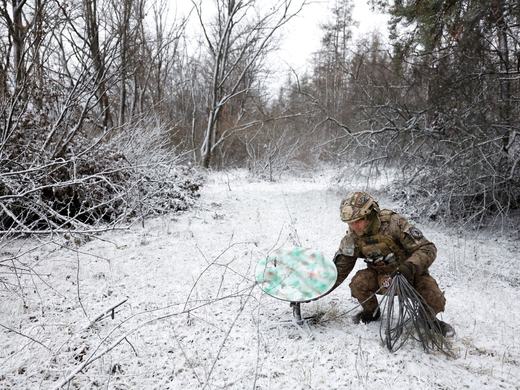
The satellites, data, and services that underpin GPS, banking, weather forecasting, and military coordination already shape how we move, communicate, and manage risk every day. As I’ve argued elsewhere, these systems form a critical infrastructure underpinning economic and strategic power. That architecture is now expanding outward.
Artemis is not a return to Apollo. The “flags and footprints” model has given way to a sustained human presence. Efforts now focus on building the tools and infrastructure needed to live and operate on the Moon, including surface habitats, orbital platforms, and supporting logistics. Through the Artemis program, NASA and its partners, including the Canadian Space Agency, are advancing a long-term human base. China is likewise pursuing a permanent International Lunar Research Station with Russia and other partners.
But what is being built is not just missions: it is the infrastructure, rules, and capabilities that will shape who can act in space—and who benefits from it. Water ice in the deep, shadowed craters of the lunar south pole could support fuel production and life support. Communications, logistics, and monitoring systems are beginning to come together to support sustained activity on and around the Moon, and beyond. Interest in resources such as lunar regolith—and, more speculatively, helium-3—reflects efforts to build capabilities for future energy and material use.
These developments are not neutral. What is built—and for whom—will shape who can operate, how, and who gets left behind. Early decisions about infrastructure and access will determine which actors capture the economic, technological, and strategic advantages of sustained activity in space. As these systems take shape, the rules governing them are also being defined.

But these missions are not only testing technology; they are establishing how activity on the Moon will be governed in practice. Principles of the Outer Space Treaty apply to the Moon, including special provisions on non-appropriation and peaceful use, but their interpretation remains contested. The choices made now will shape what counts as acceptable behaviour—and who gets to set the rules.
On space resources, China has emphasized non-appropriation, equitable access, and benefit sharing, alongside stronger state oversight; concerns echoed by the Group of 77. The Artemis Accords, adopted by more than 60 countries participating in NASA-led lunar activities, turn these principles into working rules that manage interference but may also shape access, while asserting that resource use can proceed without constituting national appropriation.
Power in this system is not only material; it is also shaped by language and values. The Moon is both a physical and a cultural domain. Today’s dominant way of talking about the Moon, focused on leadership, access, and capability, informs which activities are pursued. Likewise, the language and standards through which knowledge is produced and shared influence who can participate and on what terms.
In turn, they shape what is seen as legitimate, whose knowledge counts, and what the Moon is ultimately for. Alternative perspectives persist, including those rooted in Indigenous knowledge systems that frame the Moon not as a resource, but as part of a broader relational landscape. This tension reflects deeper questions about use, responsibility, what should be protected, and whose values guide those choices.
These questions are already being worked through in practice—for example, in Jeremy Hansen’s Artemis mission patch, which incorporates Indigenous perspectives alongside more traditional narratives of space exploration.
As humanity continues extending its presence beyond Earth, the Moon is no longer simply a destination. It is the next layer of systems that already shape life—and power—on Earth. As Astroscale’s Tahara Dawkins has argued, exploration establishes what is possible. It also determines who defines those possibilities.
The challenge is not only what we build, but what those choices set in motion by shaping how power is exercised, and by whom, on Earth and beyond. Even if most people never leave Earth, the rules written and the capabilities developed in space will shape the opportunities and challenges we all live with.