This piece was first published by The Hill Times.
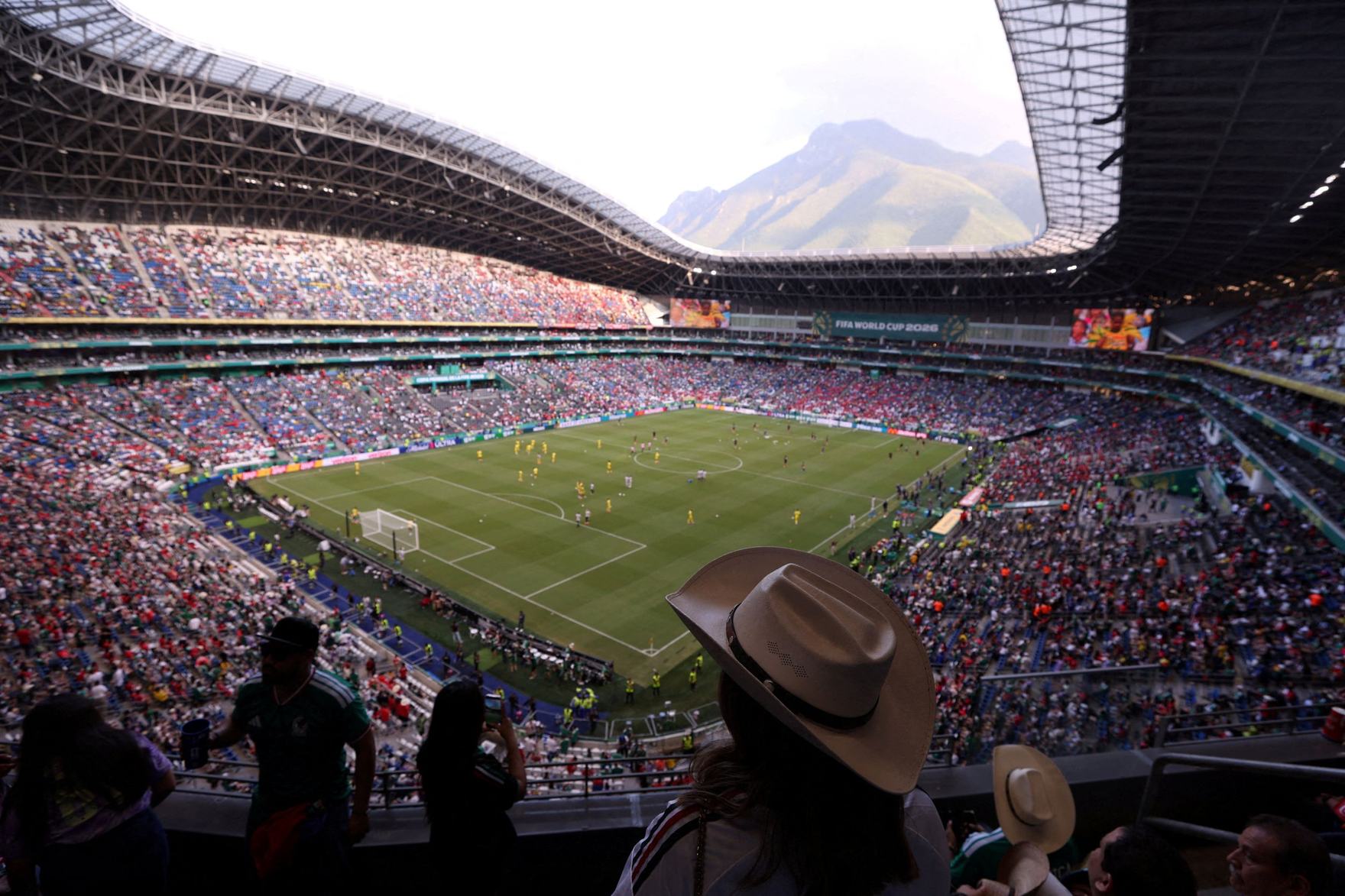
As Canada co-hosts the 2026 FIFA World Cup alongside the United States and Mexico, the tournament presents an opportunity to showcase more than athletic excellence. At a moment of growing geopolitical tension and international fragmentation, it offers a rare platform to demonstrate the enduring value of openness, cooperation, and people-to-people exchange. For Canada in particular, the World Cup represents a chance to exercise a form of soft power that has long been central to its international identity: convening diverse actors, building bridges across differences, and supporting the conditions for constructive global engagement.
The FIFA World Cup has long been presented as one of the few genuinely global events capable of transcending politics. For a brief moment every four years, the tournament is supposed to remind us that competition need not preclude cooperation, that national pride can coexist with international community, and that shared human experiences still matter in an increasingly divided world.
Yet, with 2026 FIFA World Cup well underway, it is becoming increasingly difficult to sustain this romantic vision. Recent reports that Iran’s national team was forced to land in Mexico rather than the United States amid visa disputes are only the latest example of a broader reality: geopolitics is no longer operating in the background of international sport. It has moved centre stage.
This is not merely a story about one team or one diplomatic disagreement. Rather, it reflects a deeper transformation in international affairs. As the liberal international order continues to come under strain —if indeed it can still be said to function in any meaningful sense—geopolitical rivalries are increasingly permeating every aspect of social, economic and cultural life. Sport is no exception.

The lead-up to the 2026 tournament has already been marked by disputes over visas, border controls, security concerns, diplomatic tensions, and questions about freedom of movement. The fact that the tournament is jointly hosted by Canada, Mexico, and the U.S. only highlights the challenge. At a time when governments are increasingly viewing migration, trade, technology, and information flows through the lens of national security, even the logistics of international sport become politicized. This also comes at a time when looming trade talks for North America cast an ominous shadow over relations between the three countries.
The result is that the World Cup increasingly resembles a microcosm of a fragmented international system.
The implications extend beyond state-to-state relations. Geopolitical competition today is not confined to governments. It is increasingly mediated through digital platforms, technology companies and artificial intelligence systems that shape how billions of people experience global events.
The rise of powerful technology firms has transformed the information environment surrounding international sport. Platforms originally designed to connect people across borders now frequently amplify polarization, outrage, and nationalist narratives. Algorithms optimized for engagement often reward conflict over understanding, controversy over context, and emotion over evidence.
As the World Cup unfolds, social media platforms powered by generative AI tools will ease spread of political narratives and misinformation. While concerns about election interference have attracted significant attention, major sporting events may become equally attractive targets. False reports about fan violence, fabricated statements by players, or manipulated footage could spread globally within minutes.
Such risks emerge at a particularly sensitive moment. Trust in institutions is declining across many democracies. International cooperation is under pressure. Public discourse is increasingly fragmented. In this environment, the World Cup is not merely vulnerable to geopolitical tensions; it risks becoming another vehicle through which those tensions are amplified.
This reality presents an uncomfortable challenge for organizations such as FIFA. For decades, governing bodies have sought to maintain the fiction that sport exists apart from politics. That position was always difficult to sustain. It is now virtually impossible.
The question is no longer whether geopolitics belongs in sport. Geopolitics is already there. The more important question is whether international sporting institutions can help mitigate geopolitical tensions rather than simply reflecting them.
There remains reason for cautious optimism. The World Cup still creates opportunities for people from different societies to engage with one another in ways that politics often cannot. Fans travel, cultures mix, and moments of collective celebration transcend national borders. These experiences matter precisely because they are becoming rarer.
Yet, the World Cup’s significance lies precisely in its ability to create encounters that politics alone often cannot. Fans travel across borders, cultures interact, and millions of people participate in a shared global experience. At a time when international cooperation is increasingly strained, these moments carry greater importance, not less.
For Canada, this creates an opportunity as well as a responsibility. While no host country can insulate the tournament from broader geopolitical tensions, Canada can help ensure that the World Cup remains a space where openness, dialogue, and international engagement are actively fostered. Through effective coordination with partners, welcoming policies toward visitors, and leadership on issues ranging from digital trust to public diplomacy, Canada can help reinforce the idea that international exchange remains both possible and worthwhile.
The 2026 World Cup may ultimately be remembered for extraordinary goals, dramatic upsets, and memorable performances. But it may also be remembered as a revealing snapshot of a changing world order. If the tournament demonstrates anything, it is that geopolitics is no longer confined to diplomatic summits, military conflicts or trade negotiations. It now shapes the movement of athletes, the experiences of fans, the flow of information and even the narratives surrounding the world’s most beloved sporting event.
Whether the World Cup becomes primarily a symbol of fragmentation or a reminder of our continued capacity for cooperation remains an open question. As one of the tournament’s hosts, Canada has an opportunity to help tip the balance toward the latter.